
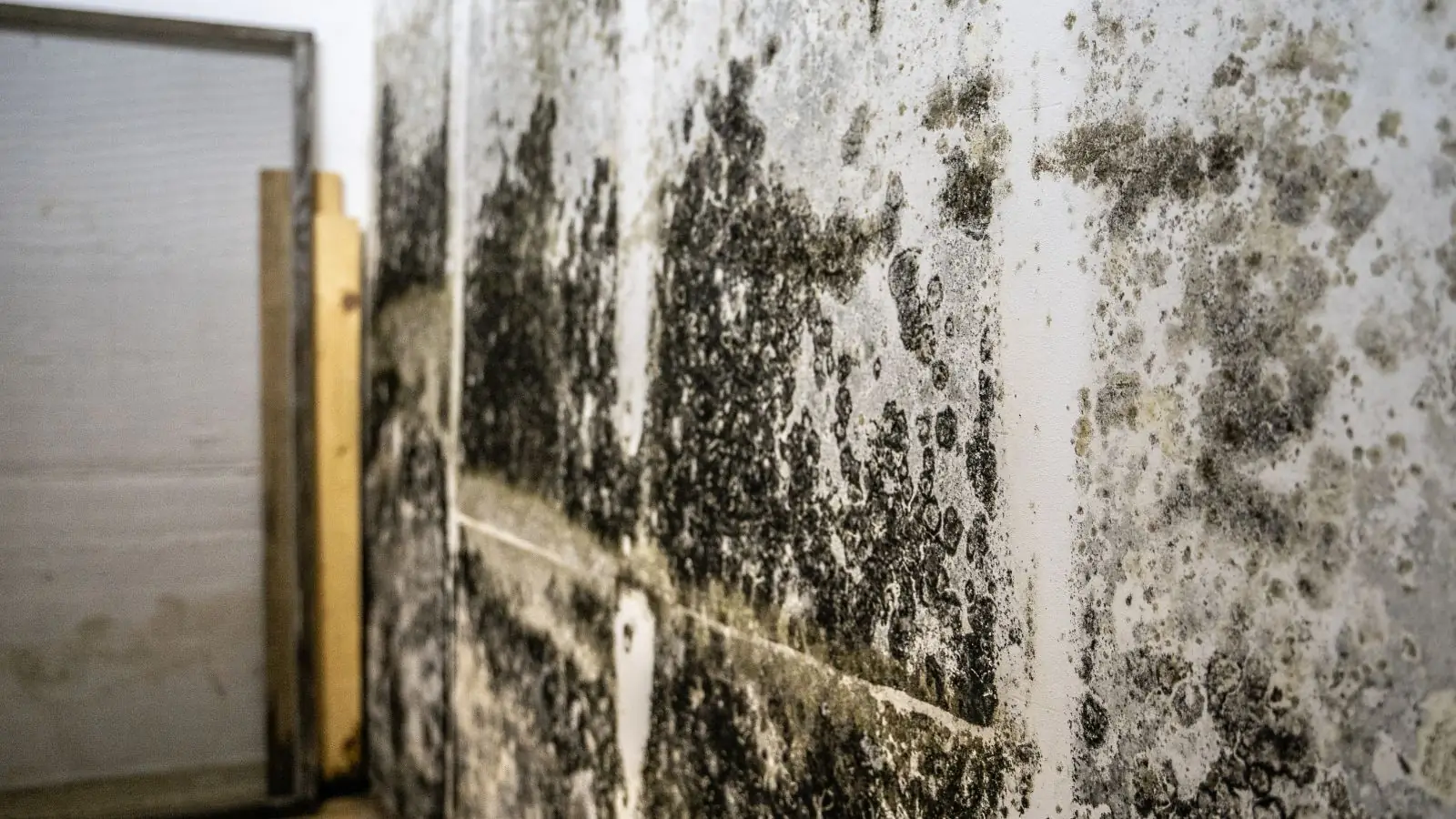
Start with the water, not the mold
Most people attack the visible patch first. It feels productive, and it is the wrong order. A basement that grows mold is a basement with a moisture problem, and scrubbing the wall treats a symptom.
The honest answer to the question in the title has three parts: find where the moisture comes from, remove or clean the affected materials, and dry the space to normal readings. The first part decides whether the other two last.
Restoration also is not waterproofing. A restoration crew handles mold and the damage that water has already done. Grading, gutters, sump systems and drainage work that keep water out belong to a drainage or foundation contractor.
Where basement moisture comes from
Each source leaves a different pattern. Matching what you see to the source tells you who needs to fix it.
| Source | What it looks like | Who usually fixes it |
|---|---|---|
| Groundwater seepage | Dampness along the floor and wall joint after heavy rain or snowmelt | Drainage or foundation contractor |
| Foundation wall cracks | Water streaks or mineral staining below a crack | Foundation contractor, then restoration for the damage |
| Plumbing leaks | Wet spot under a pipe, water heater or washer hose | Plumber, then restoration |
| Condensation | Cold pipes and block walls beading in summer | Dehumidification and ventilation |
| Dryer or bathroom venting into the basement | Damp air and mold near the duct | HVAC or general contractor |
| Floods and sewer backup | Standing water, silt and an odor | Flood restoration crew |
If more than one row applies, address the biggest water source first.
Why basements grow mold so easily
A basement is cooler than the rest of the house, so warm indoor air that drifts downstairs meets cold block or concrete and drops its moisture right there. Add stored cardboard, paneling and carpet, and you have food and a damp surface in the same corner.
Older foundations make it worse. Many New England basements were never designed to stay dry, and a stone or block wall can pass water vapor through without any visible leak. That is why humidity readings matter as much as what you can see.
A dehumidifier helps with this vapor and condensation, but it will not stop liquid water from a crack or a flood.
Mold plus standing water?
Basement mold spreads fastest when materials stay wet. Call (508) 446-9244 now, and same-day response is offered when available.
The removal process, step by step
This is the sequence a professional follows under the ANSI/IICRC S520 mold standard. It is also a fair checklist for judging any quote.
- Stop the sourceRepair the leak, redirect the downspout, or confirm what caused the flood. Nothing downstream works until this is done.
- Assess the extentA moisture meter and thermal imaging camera show how far dampness reaches, including behind paneling and stored boxes.
- Contain the work areaPlastic sheeting and negative air machines with HEPA filtration keep dust from moving to the rest of the house.
- Remove what cannot be cleanedWet drywall, carpet, insulation and cardboard come out and are bagged in the work area.
- Clean and dry what staysWood framing and concrete are HEPA vacuumed and cleaned, then dried with air movers and dehumidifiers.
- Verify and rebuildMoisture readings confirm the space is dry before new materials go in. Independent testing is a separate option.
When basement mold needs a professional
Some basement jobs are small and some are not. These are the signs that the job has outgrown a mop and a brush.
- The patch is large: growth on more than a small wall section, or on several walls, calls for containment.
- Water came in from a flood: floodwater and sewer backup are Category 2 or 3 water, and porous materials usually need to be removed.
- Finished materials are affected: drywall, carpet and insulation that stayed damp cannot be cleaned back to normal.
- It keeps returning: repeated growth after cleaning means moisture is still reaching it.
- You are buying or selling: a lender or buyer may want documented remediation and clearance testing before closing.
A flooded basement with mold on top is a combined job. Flood damage restoration crews dry and clean the structure, and mold remediation handles the growth under the same plan.
Safety before you go downstairs
Do not enter a basement with standing water until the power to it is off, and cut power only if the panel is dry and reachable. Never mix bleach with ammonia or other cleaners. Wear gloves, eye protection and a fitted respirator if you handle any moldy material, and do not stir up dust by sweeping or dry-brushing.
What Southbridge's floodplain numbers mean for a basement
The town's 2024 draft hazard mitigation plan says the whole city sits in the Quinebaug River Basin and that about 6 percent of its land lies in the 100 or 500 year floodplain. It counts 476 parcels susceptible to a 100 year flood, with 364 of them holding structures worth about $143 million.
That is a small share of the city, so most Southbridge basements are not flood-zone basements. The practical step is to find out which group yours is in. Check the FEMA flood map for your address before you decide how much waterproofing, flood insurance or dehumidification the space needs.
If your parcel is in or near the mapped area, treat every wet basement as a possible flood loss first and a mold problem second. Ask your insurer about separate flood coverage, since standard policies usually exclude flood, and expect the water category to drive the scope.
Frequently asked questions
A small patch on a hard surface, with the moisture source fixed, can often be cleaned by a careful homeowner. Larger areas, flood water or soaked drywall and insulation need professional containment and removal.
It lowers humidity, which helps stop new growth, but it does not remove growth that is already there. Dry air is part of the fix, not the whole fix.
No. Paint covers the surface without removing the growth or the moisture feeding it. It tends to peel and the patch comes back through.
Small jobs can take a day or two. Larger ones need containment, removal, cleaning and drying days, and the timeline depends on how wet the structure was. The assessment gives a realistic schedule.
Not by itself. Mold follows moisture, and a basement far from the river can be damp from a leaking pipe while one near it may stay dry. Look at your own conditions and the FEMA flood map for your address.
Yes. The same 24/7 line covers Charlton and Sturbridge, where many basements sit on private wells and septic systems and need the same moisture checks.
Yes, once it reads dry, but lift them off the floor onto plastic shelving and keep air moving. Cardboard soaks up humidity and gives mold something to eat, so plastic bins are the better choice.