
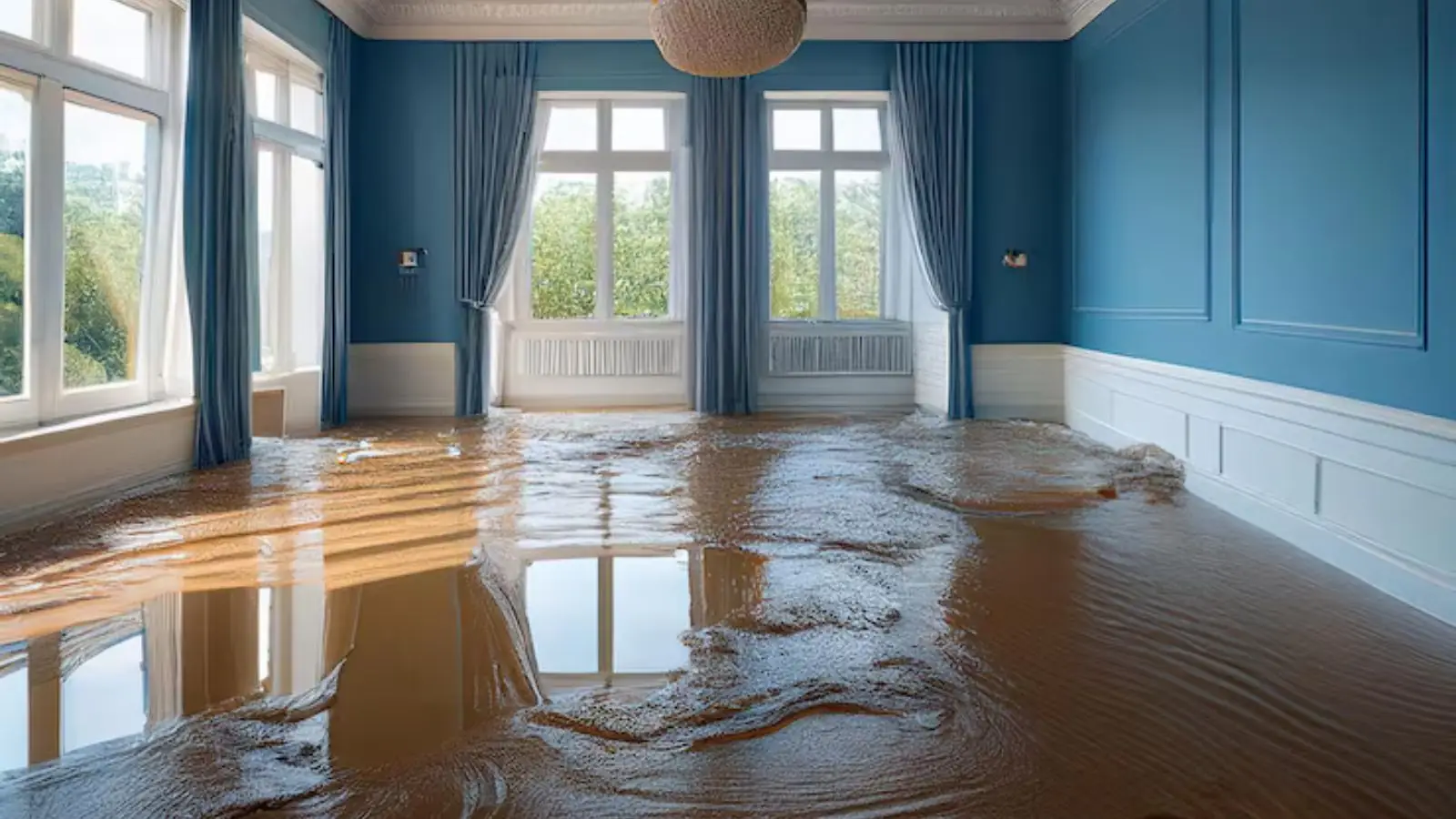
When water is spreading in Sturbridge
Sturbridge sits roughly 3 miles northwest of downtown Southbridge, joined to it by Route 131 (Main St). Dispatch runs 24/7 around the clock, so a call at 2 a.m. gets the same answer as one at noon. Tell the person answering which road you are on, how many rooms are wet and whether the water looks clean, gray or like sewage.
While you wait, shut the main water valve, lift valuables off the floor and keep people and pets out of the wet rooms. Leave the power alone near wet outlets unless the panel is dry and reachable, and call the utility or 911 first for any electrical or gas risk.
Standing water comes first, and emergency water removal puts pumps and extraction units on it. After the structure is dry, water damage repair rebuilds whatever had to come out.
Corridors and villages: what the map tells a crew
Sturbridge is a crossroads town, and where you are on the map changes the first questions a dispatcher asks.
| Where | What is there | Why it matters in a water call |
|---|---|---|
| I-90 and I-84 | The Mass Pike meets the eastern end of I-84 in Sturbridge | Say which side of the interchange you are on so equipment is routed the short way. |
| US-20 near Empire Village | Named in the town hazard plan for recurring culvert and drainage flooding | Basements near this stretch deserve a floor-drain and sump check after a hard rain. |
| Cooper and Hamilton Roads | Also listed for recurring culvert and drainage flooding | If your road floods, low doors and garage floors take the water first. |
| Champeaux Road and Stallion Hill Road | Same plan, same culvert problem | Hillside runoff arrives here fast, so wet-wall checks matter even if the floor looks dry. |
| Route 131 and Main St | The link to Southbridge, with Town Hall at 308 Main St | Name the nearest cross street, since many Sturbridge addresses sit off this spine. |
| Fiskdale and MA-148 | A village in the northwest part of town with its own post office | Say Fiskdale when you call so the crew is sent to the right end of town. |
Slopes, ponds and 23 dams
Slopes of 15 to 25 percent cover about 14.3 percent of Sturbridge, according to the town hazard plan. Rain runs downhill fast, and culverts that cannot take the load back up onto roads and into foundations. That is why the same handful of spots flood again and again.
The plan counts 23 dams in town, 1 rated High Hazard and 8 rated Significant Hazard. Walker Pond, Cedar Pond, Old Mill Pond, Ovide Pond, Upper Pond, Fish Pond and Gibb's Brook all have dams. A hazard rating describes what a failure would cause, not how likely it is. For you it means groundwater runs high near these waters after a wet week, so a damp basement is a reason to call before the moisture climbs the drywall.
The plan also lists 504 parcels in the 100-year floodplain, 123 of them with structures worth about $40.6 million. It records 5 NFIP claims totaling $31,297 and 2 repetitive-loss residences. Standard homeowners policies usually exclude flood, so check the FEMA flood map for your address and ask your insurer about flood coverage. When river or storm water has come inside, flood damage restoration applies the Category 3 precautions.
Water coming off the hill?
Call now and describe the culvert, the basement or the ceiling. Night and weekend calls are answered, and same-day response is offered when available.
Before we arrive
Four steps that help most in a Sturbridge house, whether it is on town water or a private well.
Find the valve
On town water, the main shutoff is where the line enters the house. On a private well, shut off the pump breaker as well as the tank valve, or the pump keeps pushing water.
Check the panel
If the basement is wet and the electrical panel is down there, do not wade in. Call the utility or 911 about the hazard first.
Lift what you can
Move rugs, boxes and electronics off the floor. Leave heavy furniture alone, since wet carpet and slippery steps cause injuries.
Keep people and pets out
If the water came from a sewer line near Big Alum Lake or Cedar Lake, treat it as contaminated and keep children and animals away.
Town water, sewer or well: who to call about what
Which system serves your home changes the first phone call, and it is worth knowing before the emergency.
- Town water: The Sturbridge Water Department serves most commercial and suburban residential areas, so a street-side break is a utility call and an inside break is ours.
- Sewer: Sewer extends around Big Alum Lake and Cedar Lake. A backup in those neighborhoods is Category 3 water, so stay out and call.
- Private wells: Other homes use private wells, which means a flooded well house or failed pump is your water problem to solve.
- Permits and health questions: Ask the Building Inspector's Office about rebuild permits and the Board of Health about sewage or well concerns.
Who calls from where
The hazard plan counts about 3,988 occupied homes in Sturbridge, 45 percent built in 1979 or earlier and over 78 percent single-family (2015 ACS figures). One household usually owns the whole problem, so a wet basement gets decided by one phone call. Whether the house is near Old Sturbridge Village on US-20 or up a hillside road in Fiskdale, the first hours work the same way.
ZIP 01566 covers the Sturbridge center and the Route 131 corridor, where emergency water removal is the usual first call. ZIP 01518 covers Fiskdale along MA-148, where wet walls often call for water damage repair once drying is finished. Brookfield to the north and Holland to the west are close neighbors, so ask the dispatcher about addresses there.
Neighbors in Charlton and Dudley are served from the same line.
Sturbridge on the map
Sturbridge water damage questions
Yes. ZIP 01566 covers the town center and the Route 131 corridor, and ZIP 01518 covers Fiskdale, the village in the northwest part of town with its own post office. Both are served from the same 24/7 line.
Yes, day or night. Describe how deep the water is and where it came from, and the person answering explains what to shut off while a crew is arranged. No arrival time is promised, but same-day response is offered when available.
Often not. Flood and surface water are usually excluded from standard homeowners policies, while a sudden burst pipe is often covered. Check your policy, ask your insurer about flood or water backup coverage, and photograph the damage before anything moves.
Look at the floor drain, the sump pump and the base of the foundation walls after heavy rain. Restoration repairs damage but does not stop future water, so a grading or drainage contractor is the right call for the cause.
Yes. A well that has been covered by floodwater may be contaminated, and the Board of Health is the place to ask about testing. Keep the pump powered off until the electrical system has been checked.