
The first hours: when water damage cleanup is an emergency
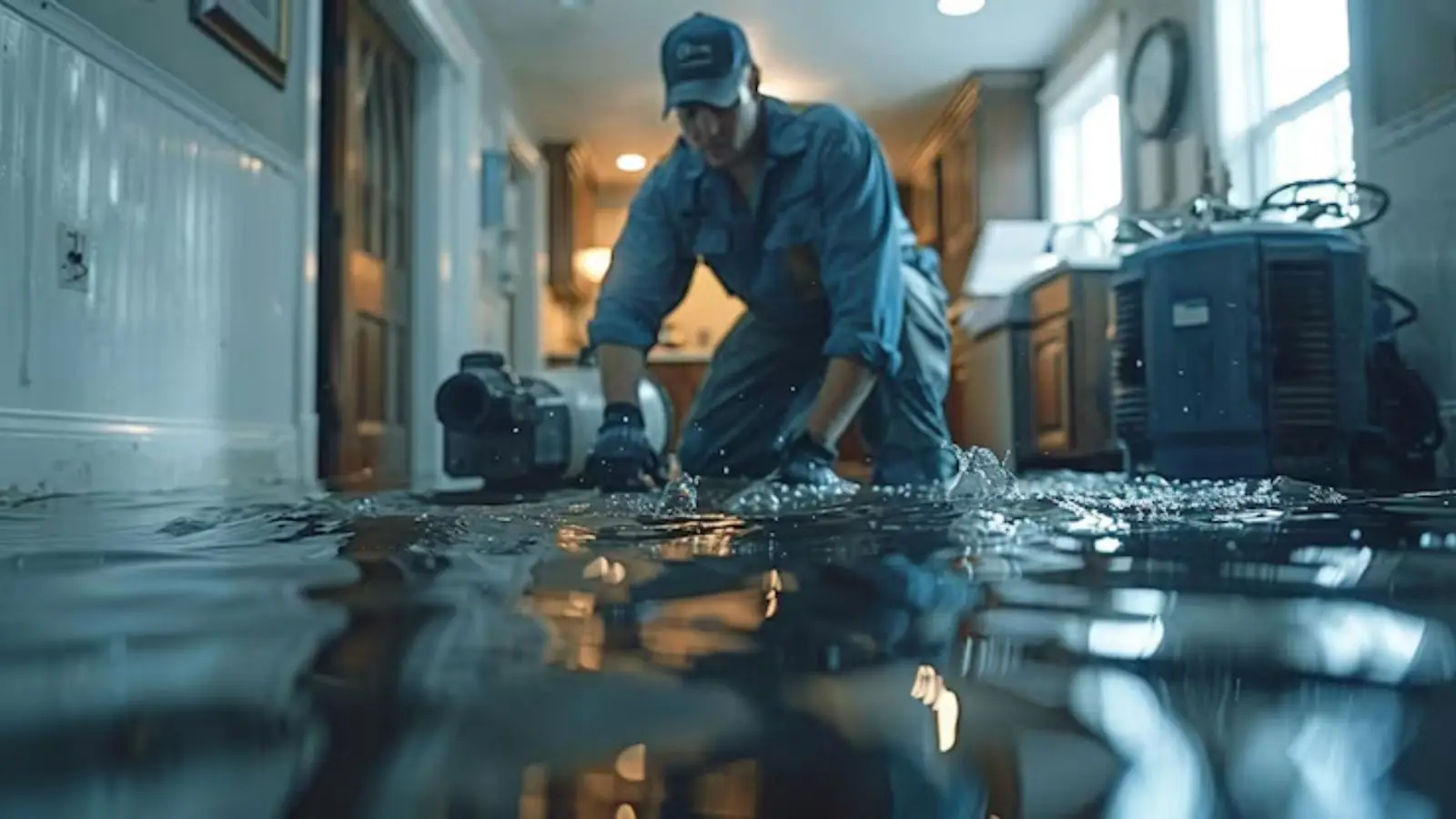
Cleanup is urgent because wet material changes fast. Clean water from a supply line can turn into Category 2 water in roughly 48 hours if it sits, and carpet pad, insulation and drywall soak it up like a sponge. The sooner the soaked material leaves the building, the less there is to dry, treat and rebuild.
Cleanup comes after the leak is stopped. If water is still running or rising, water mitigation comes first, because there is no point sanitizing a room that is still filling. Call the line and describe the source. The person answering will tell you which step comes first.
Night calls get the same treatment as daytime calls. Same-day response is offered when available, and no arrival time is promised, since distance and open emergencies change the picture.
Why water moves between units in Southbridge buildings
Southbridge has a lot of apartment buildings and two and three family houses. According to the town's 2024 draft hazard mitigation plan, multi-family homes are about 58.6 percent of occupied units, using older Census figures. That share matters because one failed washer hose or toilet supply line rarely stays in one unit.
Water runs down through floor gaps, pipe chases and light fixtures into the apartment below, and wicks sideways through shared walls. In practice, that means a cleanup call from a second-floor tenant often involves the first-floor ceiling too. Tell the person answering how many floors and units are wet, and landlords and property managers should call the same line.
What comes out and what stays
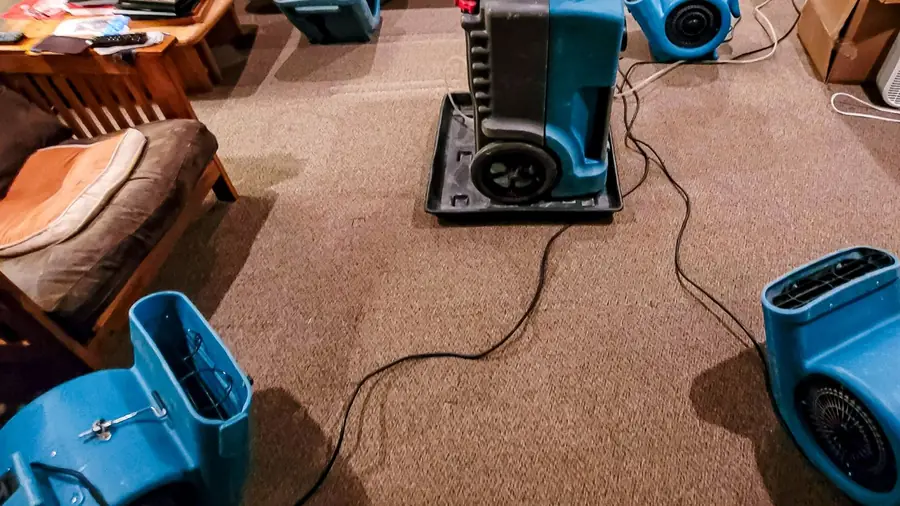
The material decides the answer, and so does the water category. This table shows the usual starting point. The crew confirms it with moisture meters and a thermal imaging camera before anything is cut.
| Material | Clean water (Category 1) | Dirty water (Category 2 or 3) |
|---|---|---|
| Carpet | Often lifted and dried, sometimes saved | Usually removed and discarded |
| Carpet pad | Usually removed, it holds water | Always removed |
| Drywall | Dried in place if only the surface is wet | Cut out, often 2 feet or more above the waterline |
| Insulation | Fiberglass batts often removed if soaked | Removed and discarded |
| Hardwood | Dried with mats and panels if caught early | Often removed, finish and subfloor checked |
| Cabinets | Dried in place, toe kicks sometimes pulled | Base cabinets often removed if soaked through |
Materials that stay get cleaned and dried. Materials that go are bagged and hauled out so they cannot keep feeding odor. When the rebuild begins, water damage repair replaces what was removed.
Category 1, 2 and 3 water in plain words
The ANSI/IICRC S500 standard sorts water by how dirty it is at the source and by how long it has sat. Ask any company whether its crews work to it.
- Category 1: clean water from a broken supply line or an overflowing sink. Safe at first, but it ages into Category 2 if left.
- Category 2: dishwasher or washing machine discharge, or a toilet overflow with urine only. It carries contaminants, so porous materials such as pad are usually removed.
- Category 3: sewage, river water and storm flooding. Grossly contaminated, so porous materials come out and the area is sanitized under strict precautions.
Storm and river water are always treated as Category 3. See flood damage restoration for that work.
Sanitizing and deodorizing, explained
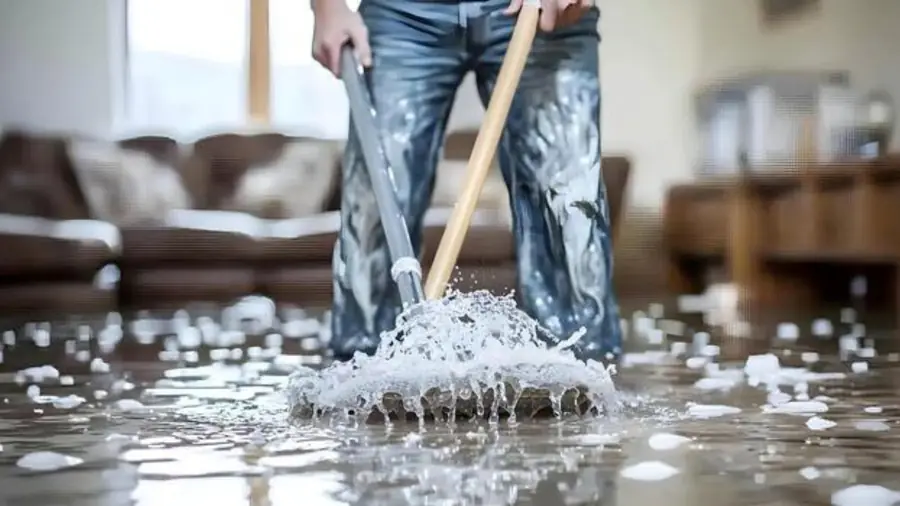
After the wet debris is gone, the remaining surfaces get cleaned first. Dirt and film have to come off before any treatment can work. Then an antimicrobial product is applied to framing, subfloor and other surfaces that stay. An antimicrobial reduces bacteria and other microbes on a surface. It does not make a wet building safe, and it does not replace drying.
Odor is handled in layers. The source of the smell, such as soaked pad, comes out first. Then air scrubbers with HEPA and carbon filters run in the room, and in stubborn cases a thermal fogger or hydroxyl generator treats the air. If a smell comes back after cleanup, there is usually moisture still trapped somewhere, so the crew rechecks readings.
Wet debris still in the room?
Call the 24/7 line now. The longer soaked pad and drywall stay in place, the more of the building they can affect.
Contents handling and pack-out basics
Furniture, boxes and clothing in a wet room are moved before the floor work starts. Pack-out means the crew inventories items, carries them to a dry room or off site, and returns them after cleanup and drying. Hard goods such as wood and metal are wiped down. Soft goods such as upholstery and rugs depend on the water category.
Keep your own list as you go. Set damaged and undamaged items apart, and do not throw out anything your insurer may want to see until you have photographed it.
Cleanup timeline, first 48 hours
Every job differs, but the order is steady. Cleanup can start the same day when a crew is available.
- Source stoppedThe leak is shut off, or a plumber has capped the line. Cleanup cannot finish while water is still entering.
- AssessmentMoisture meters and thermal imaging map the wet area, and the water category is set.
- Extraction and debris outExtraction units pull standing water. Wet pad, soaked drywall and insulation are cut out and bagged.
- Clean and treatSurfaces are cleaned, antimicrobial is applied and odor control starts.
- Dry and recheckAir movers and LGR dehumidifiers take over, and readings are logged until the structure is dry.
Electrical and sewage: stay out first
If water is near outlets, a panel or a breaker, stay out. Cut power only if the panel is dry and you can reach it without standing in water. If you smell gas or see sparking, leave and call the utility or 911 before you call the restoration line.
For sewage, keep people and pets away, do not wade in, and do not run drains. The crew arrives with protective gear and handles it as Category 3.
Documenting the loss for your insurance claim
Good records help any claim. Cleanup crews log the same things you should.
- Photos before removal: wide shots of each room, then close shots of stained walls, floors and ceilings.
- Moisture readings: the crew records meter readings and dates, so progress is on paper.
- Item list: note what was damaged, its age and rough value, and keep damaged items apart from undamaged ones.
- Receipts: keep every receipt for emergency work, hotel nights and replacement items.
Sudden and accidental water damage is often covered, while gradual leaks and neglect often are not, and flood is usually excluded. Check your policy or ask your insurer. No claim result is promised.
What decides the cost of cleanup
A fair price cannot be named without seeing the damage. These factors move it, and the scope and price are explained before work starts.
| Factor | How it changes the job |
|---|---|
| Water category | Category 3 needs more removal, protective gear and sanitizing than Category 1. |
| Affected area | One wet room differs from a wet floor stack in a multi-family building. |
| Materials | Carpet pad, plaster, insulation and hardwood each fail differently. |
| Drying days and equipment | More air movers and dehumidifiers over more days cost more. |
| Rebuild scope | Replacing drywall, flooring and paint is separate from cleanup. |
Want your real number? Call (508) 446-9244 and describe the damage. Crews also work in nearby towns such as Webster, roughly 10 miles east.
Frequently asked questions
Yes. The line is answered around the clock, including nights, weekends and holidays. Same-day response is offered when available, and no arrival time is promised, because distance, weather and open emergencies all play a part. The person answering tells you what to shut off while help is arranged.
Mitigation is the first 24 to 72 hours of stopping damage and drying. Cleanup is removing the wet and contaminated material and sanitizing after the source is stopped. Most jobs need both, often on the same visit.
It depends on the water category and the time. Clean water caught early may leave carpet salvageable, but the pad underneath is usually removed. Category 2 or 3 water usually means the carpet goes too.
Removal and sanitizing often take one day or a little more. Drying then runs for several days, and the crew should show you the readings that say when it is done.
Pack-out is available for jobs that need it. Items are inventoried and moved to a dry area or off site, then returned after cleanup. Ask the person answering how it applies to your rooms.
It depends on the cause and your policy. Sudden and accidental events are often covered, gradual leaks often are not, and flood usually needs a separate policy. Check your policy and ask your insurer. Photos and moisture readings help document the loss.