
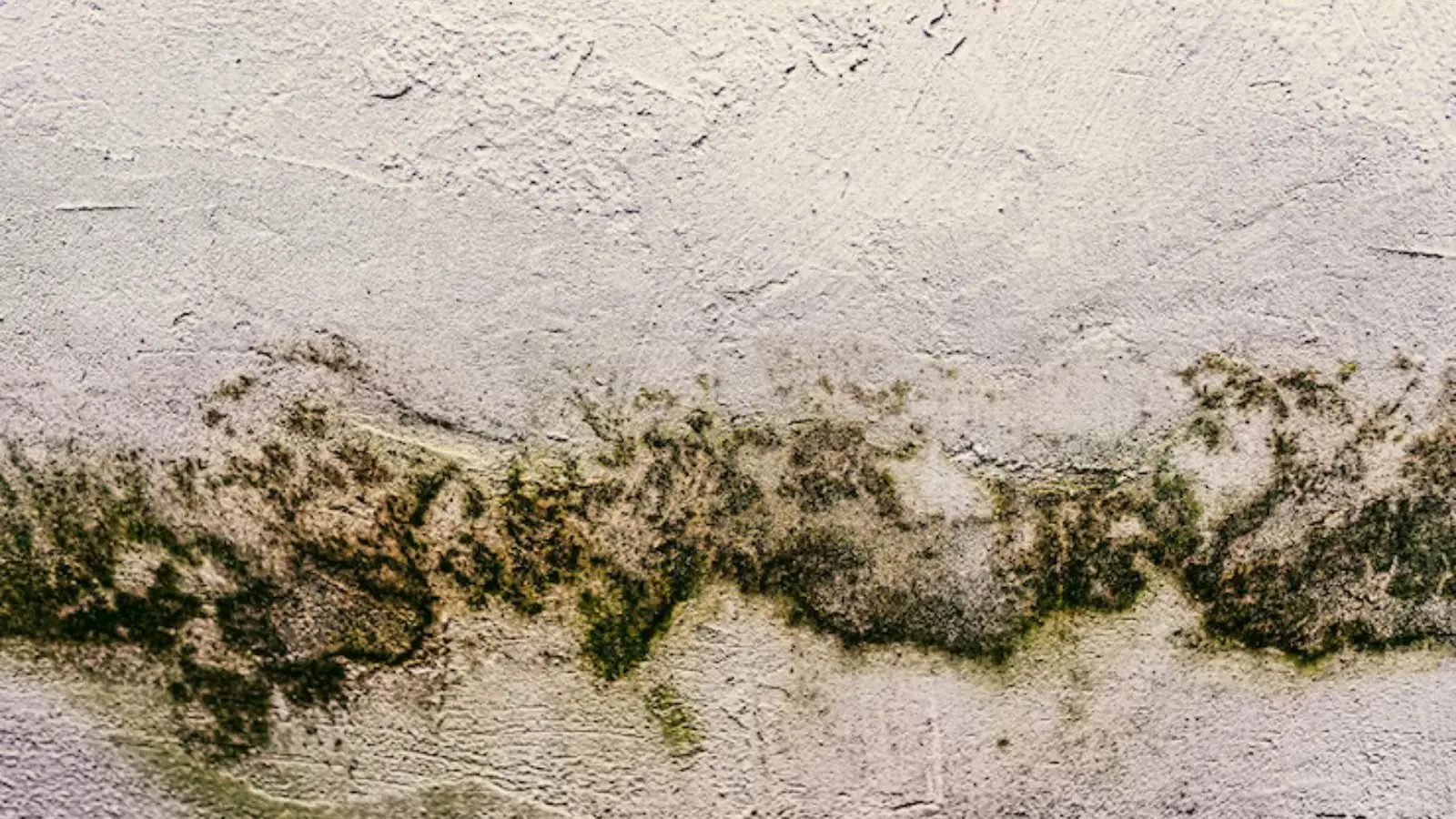
Can you tell by looking?
Not reliably. Color alone does not settle it, because "black mold" is a nickname and ceiling stains come in brown, gray, yellow and green as well. A dark patch can be mold growth, dirt drawn out by a damp spot, old water staining, or soot from a candle or a heating vent.
What you can do is gather clues. Mold grows where there is moisture, so the real question is whether that ceiling has been wet. A mark with no water history above it is more likely dust or ghosting. A mark under a bathroom, a roof valley or a supply line deserves a closer look.
Testing and diagnosis are separate steps. A professional can assess the surface and the moisture behind it, and any question about your own health goes to a physician.
Quick sort: mold, stain or something else
None of these clues is proof. Together they tell you how urgently to act.
| What you see | More likely | Next move |
|---|---|---|
| Fuzzy or speckled patches, often in clusters, with a musty smell | Active growth on a damp surface | Find the water source and keep people away from the area |
| Smooth brown ring with a darker edge, no smell | Old water stain from a past leak | Check whether it is still damp, then monitor it |
| Dark streaks along a ceiling edge or near a vent | Dust or soot buildup | Compare with other corners and rooms |
| Sagging, bubbling or peeling paint plus a stain | Active leak above | Treat as water damage first and call |
| Stain returns after painting over it | Moisture still reaching the ceiling | Stop painting and trace the water |
What feeds ceiling mold
Mold needs a food source, a suitable temperature and moisture. A ceiling supplies the first two for free: paper-faced drywall and dust are food, and a heated house is warm enough. Moisture is the only variable you can change.
Leaks from above
A roof leak, a failed bathtub seal or a pinhole in a supply line upstairs can soak the same spot for weeks. These produce the sagging, brown-edged stains that spread slowly outward.
Condensation and humidity
A bathroom fan that vents into the attic instead of outside, or an AC condensate line that backs up above a hallway ceiling, keeps the surface damp without any visible drip. A recent leak from a toilet, sink or condensate line is the common thread when growth shows up.
Hidden wet insulation
Insulation that got wet and never dried holds water against the back of the drywall. The ceiling looks fine until a stain finally comes through.
Not sure what you are looking at?
A damp ceiling gets worse each day it stays wet. Call (508) 446-9244 and describe the patch, and the person answering will tell you what to check first.
What to do before anyone touches it
The urge to scrub is strong. Resist it for now, because disturbing a mold patch can spread spores through the rooms.
- Look, do not rubNote the size, color and shape. Hold a ruler beside it and write down the measurement.
- Find the waterCheck the room above, the roof, the bathroom fan and the HVAC condensate line. If a pipe is leaking, shut the water to it.
- Keep the area quietTurn off fans pointed at the ceiling, close the door if you can, and keep people and pets out of the room.
- Do not paint, spray or sandPaint hides the problem without fixing the moisture, and sanding throws dust into the air.
- Call and describe itTell the person answering where the leak seems to be and how large the patch is. A professional can assess moisture with a meter and thermal camera and explain what remediation under ANSI/IICRC S520 would involve.
When to stop and call right away
If the ceiling is sagging, dripping or bulging, keep people out from underneath it. Water-loaded drywall can fall without warning. If water is near a light fixture or ceiling fan, leave the circuit off at the panel only if the panel is dry and you can reach it safely. For any sign of electrical risk, call 911 or the utility before the restoration line.
Why the water comes first
Cleaning mold off a ceiling that is still getting wet is a loop you will repeat. When a leak has fed the growth, mold remediation is done after the moisture source is stopped and the structure dries, and any damaged drywall is rebuilt through water damage repair. The order is fix the water, deal with the mold, then rebuild.
What the EPA's moisture rule means for your ceiling
The EPA's guide to mold puts it in one line: "The key to mold control is moisture control." It also advises drying water-damaged areas and items within 24 to 48 hours to prevent mold growth.
For a Southbridge homeowner, that turns a vague worry into a clock. If a pipe let go last night or a roof leak soaked the ceiling during a storm, the first two days are the window when drying matters most. Waiting a week to see whether the stain "goes away" means the drywall and insulation have already sat wet well past that window.
If you are past 48 hours, it does not mean nothing can be done. It means the assessment should check how far the moisture went, not only what is visible. Ask the person who answers how drying and any mold work would be sequenced for your ceiling.
Frequently asked questions
No. Dust, soot and old water stains can look just as dark. Moisture history and a professional assessment separate them better than color does.
Bleach may lighten a patch on a hard surface, but on porous drywall or plaster it does not reach what is growing beneath. Cleaning also does not fix the moisture that fed the growth. For the cleaning limits in detail, ask the person who answers the line.
Often, but not always. Condensation from poor ventilation can do it too. Either way, something is keeping that surface damp, and finding it is the first job.
Testing can show which spores are present and how many, but it does not tell you what to do about a visible patch. Testing and clearance follow ANSI/IICRC S520, and an independent tester is separate from the remediation crew.
More likely to be damp, yes. Showers add steam, and a fan that vents into the attic keeps the ceiling surface wet. A stain in that spot still needs a moisture check before anyone assumes what it is.
Ask them. Permit rules for ceiling or drywall replacement vary by project, and this page does not state them. A quick call to the Southbridge building department before any rebuild saves a delay later.