
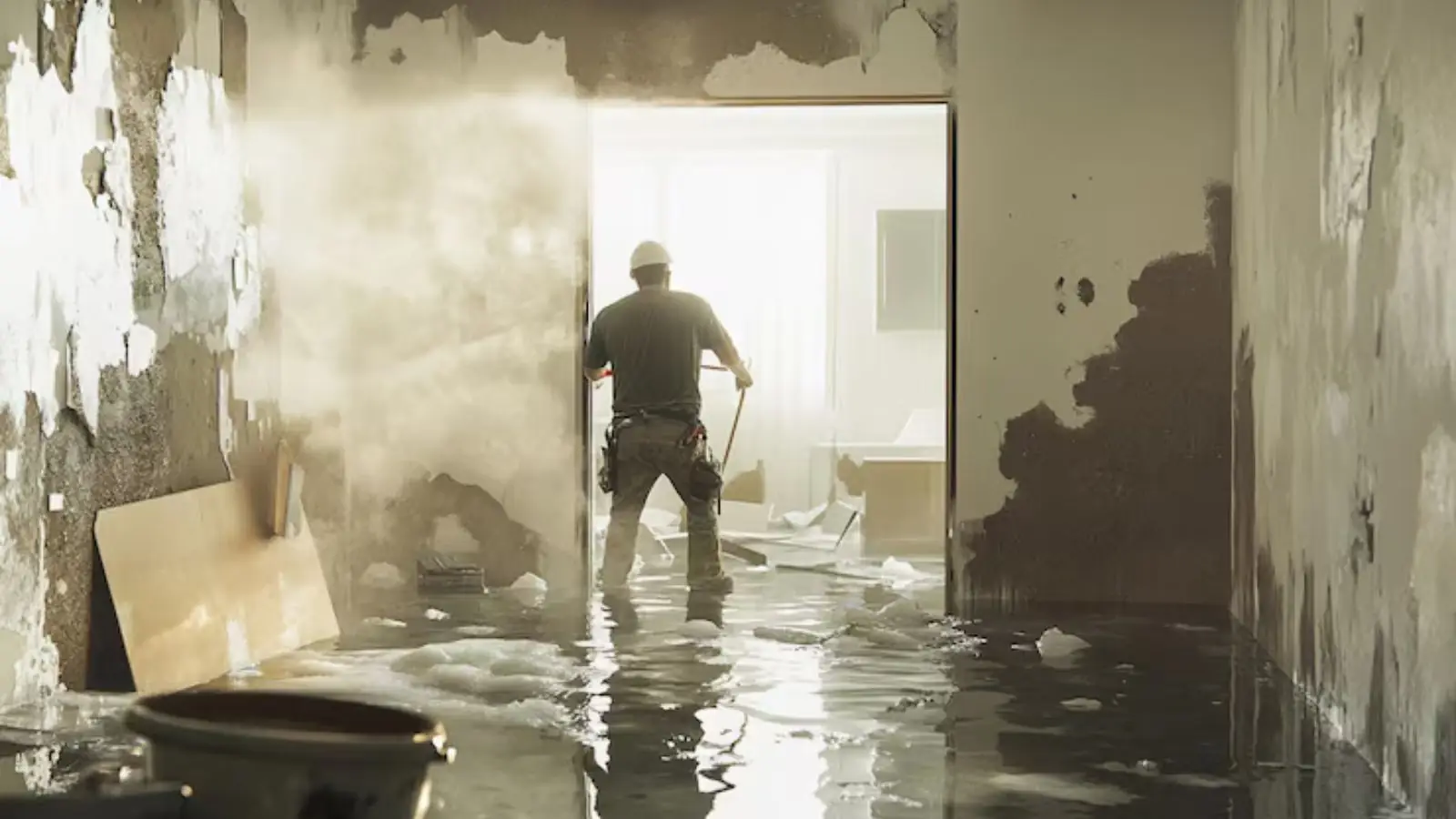
Start with the records an adjuster will ask for
Ten minutes of documentation can save weeks of back-and-forth. An adjuster was not there when the pipe burst or the basement filled, so your photos, notes and receipts are the only version of events they can check.
Nothing here guarantees a result. Whether a loss is covered depends on the cause and the wording of your policy. Sudden and accidental water damage is often covered, gradual leaks and neglect often are not, and flood usually needs separate flood coverage. Check your policy or ask your insurer before you assume either way.
The claim checklist, in order
Work through these as soon as it is safe. If anything involves electricity, gas or sewage, handle safety first.
- Report promptly: Call your insurer as soon as you can and ask what they require, including how they want photos and receipts submitted. Policies commonly set notice conditions, so check yours.
- Photograph everything: Capture each affected room wide, then close up. Include the outside of the house, the source of the water and any visible stains or sagging.
- Record the water height: Photograph a tape measure against the wall or a stair riser where water stood, and write down the number and date.
- Separate damaged from undamaged: Move wet items to one area and undamaged items to another. Do not throw anything away until it has been photographed and listed.
- Build a home inventory: List each item with a description, approximate age and replacement cost. A walk-through video narrated room by room helps.
- Keep every receipt: Hotel nights, equipment, supplies and emergency repairs may all matter to your claim.
- Mitigate further damage: Stop the source, remove standing water and start drying. Policies commonly expect you to prevent additional loss, so see water mitigation for what that involves.
Keep a simple log of calls: who you spoke with, the date and what was said. A page of notes beats memory three weeks later.
Need readings for your claim?
Call (508) 446-9244 to ask for moisture readings and a written scope. Same-day response is offered when available.
What to document and why it matters
Each record answers a question an adjuster is likely to ask.
| What to document | How | Why it helps |
|---|---|---|
| The source of the water | Photo of the failed hose, pipe, roof area or drain, kept if possible | Shows the cause, which can decide whether the loss is sudden or gradual |
| Water height on walls | Tape measure in frame with the date noted | Shows how far materials wicked and which drywall may need removal |
| Room-by-room condition | Wide and close photos of floors, ceilings and walls | Gives a before-drying record before materials are removed |
| Damaged belongings | Photo each item, then list brand, age and cost | Supports the contents portion of the claim |
| Undamaged belongings | Photo and set aside in a dry room | Prevents arguments about what was and was not hurt |
| Moisture readings | Meter or thermal camera readings from the drying crew | Shows the extent of wetting and when drying is complete |
| Receipts and invoices | Paper copies and phone photos | Backs up every out-of-pocket cost |
Keep digital copies in two places, such as your phone and an email to yourself, so a ruined phone does not take the file with it.
How a typical claim moves
Insurers differ, but the path usually looks like this.
- NoticeYou report the loss and receive a claim number. Write it on everything.
- MitigationThe structure is dried and ruined materials are removed. Photograph before anything is thrown out.
- Adjuster visitAn adjuster inspects the damage and reviews your photos, inventory and invoices.
- Scope and estimateThe repair scope is written and compared with your policy. Ask questions if a line item seems missing.
- RepairOnce drying readings are normal, water damage cleanup and rebuild work can begin.
Do not hold up safety for paperwork
If the panel is wet, the smell of gas is present or sewage has backed up, leave the area and call the utility or 911 before photographing anything. A claim can be documented later. Contaminated water is a flood damage restoration job that needs protective gear, so do not wade in to take pictures.
What the state's documentation advice means for you
The Massachusetts Division of Insurance gives specific advice for flood claims. Report the claim immediately. Photograph the outside and inside of the home, including the water height. Keep damaged and undamaged items separate, and use a home inventory. That is the same list above, which is why it is worth following for any water loss.
The state page does not speak to claim deadlines or to sudden versus gradual damage, so those are matters for your own policy. Treat the state advice as a habit rather than a rule on timing: the sooner you document, the less you depend on memory.
In practice that means taking pictures before the first fan runs. In Dudley or Webster, where the French River runs along the town line, a home that took on groundwater should get a tape-measure photo on the wall before anyone starts pulling drywall.
Frequently asked questions
As soon as you reasonably can. The Massachusetts Division of Insurance says to report a flood claim immediately. Other policies commonly set their own notice conditions, so read yours and ask your insurer.
Generally yes, after you photograph the damage. Policies commonly expect you to protect the property from further loss, and wet drywall and insulation get worse by the day. Keep records and receipts of what the crew removes.
Write down what each item was, when you bought it and what it cost, and note photographs if any exist. Tell your insurer what was discarded and why. Next time, photograph first.
No. You file with your insurer. A crew can supply moisture readings, photos and a written scope to attach, and we do not promise any claim will be approved.
According to the Massachusetts Division of Insurance, standard homeowners policies do not cover flood damage. Some policies offer water backup or sump pump coverage as an endorsement, so check your policy.
It still helps. A short list of what was in the room, with approximate costs, speeds up the contents part of a claim and makes it harder to forget items later.