
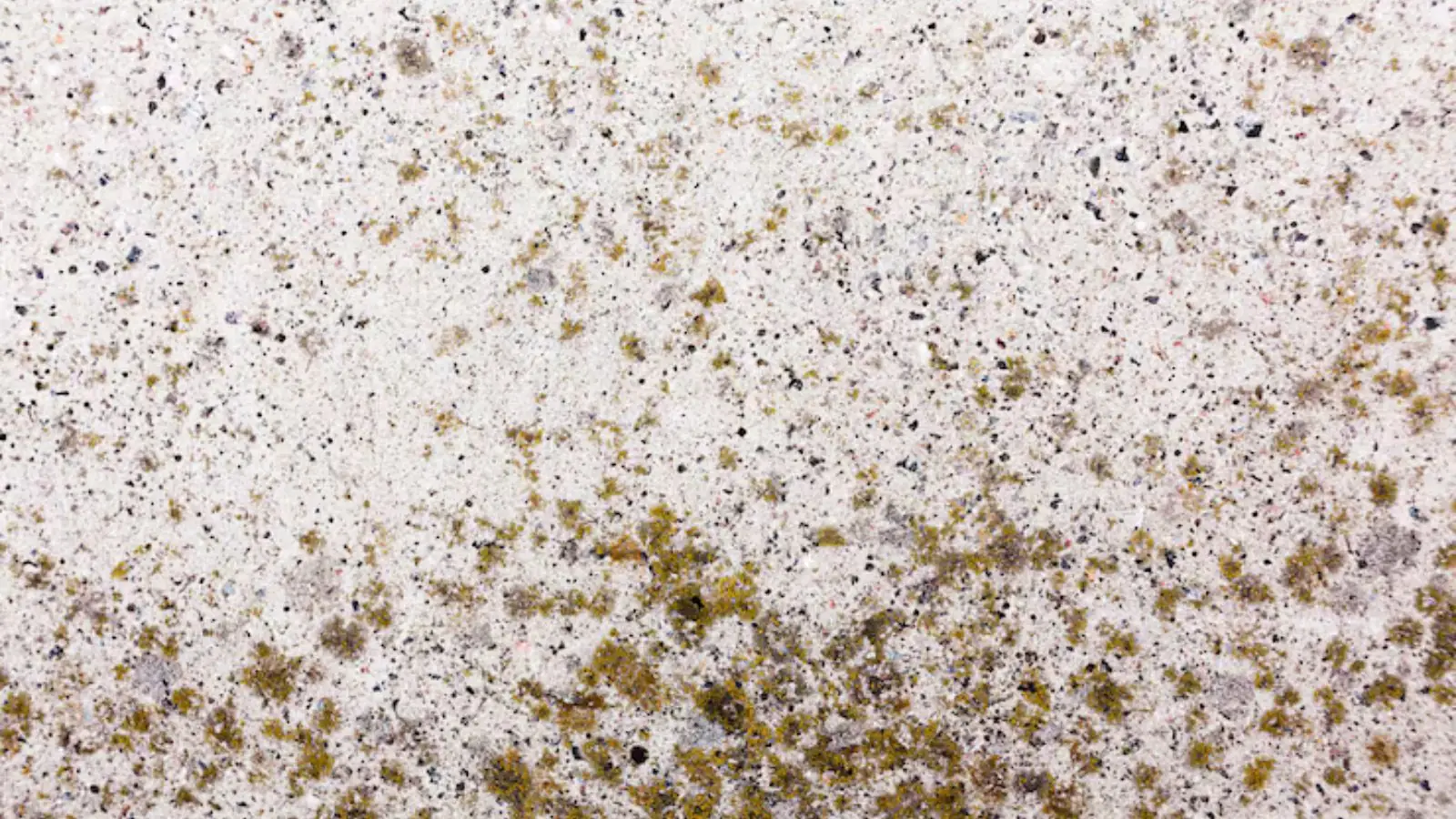
Is mildew different from mold?
People use the two words as if they were opposites, and the difference is mostly about habit. Mildew is the name most people give to light, surface-level growth on things like a shower curtain or a window sill. Mold is the broader word, and it often describes thicker, darker growth that has gone into a material such as drywall, wood or carpet.
So a gray film on the bathroom caulk and a green patch inside a basement wall may both be mold, in different amounts. The useful question is not what to call it. It is how much there is, what it is growing on and where the water is coming from.
Mildew and mold at a glance
These are rough, everyday patterns rather than rules. Only an assessment can tell you what is on a particular surface.
| Feature | What people call mildew | What people call mold |
|---|---|---|
| Look | Flat, powdery or fuzzy, often white or gray | Fuzzy, slimy or spotty, in many colors including black, green and brown |
| Where it sits | On the surface of tile, grout, caulk, paint and fabric | On the surface and often into porous materials like drywall and wood |
| Typical spot | Shower, window sill, damp towel, closet shelf | Wet wall cavity, carpet pad, ceiling after a leak, flooded basement |
| Cleanup | Often handled with detergent and a scrub brush for a small spot | May need removal of the affected material, depending on size and material |
| What it means | A moisture or humidity problem somewhere nearby | The same, usually on a bigger scale |
Both need moisture. Remove the moisture and growth has nothing to feed on. The EPA puts it this way: the key to mold control is moisture control.
Mildew keeps returning?
Call (508) 446-9244 and describe where it appears. Same-day response is offered when available.
Where mildew shows up in a house
Mildew follows moisture, so start looking where water collects or air stays damp.
The shower and bathroom
Grout lines, caulk at the tub and the underside of a shower curtain stay wet after every use. A fan that vents outdoors helps, and one that blows into the attic does not.
Window sills and frames
Winter condensation runs down cold glass and pools on the sill. Wiping it away matters more than the cleaner you pick.
Cardboard in a basement
Boxes on a concrete floor draw moisture up from the slab. The bottom inch turns soft and speckled long before the top does.
Closets on exterior walls
Cold outside walls and clothing packed tight leave air still. Look behind shoes and along the baseboard.
Under sinks
A slow drip or a weeping trap keeps the cabinet floor damp. Check the base of the cabinet with a flashlight.
What to do about a small spot
For a small patch on a hard, nonporous surface like tile, glass or a sealed countertop, a simple routine is often enough. Stop and call a professional if the growth is large, keeps returning or sits on drywall or carpet.
- Find the moistureRun a hand along the nearby wall and feel for dampness. Look for a dripping line, a missing fan or a spot where condensation collects.
- Protect yourselfOpen a window, wear gloves and keep children and pets out of the room. Do not mix cleaning products.
- Clean the surfaceScrub with detergent and water, then rinse and dry. Cleaning removes growth from hard surfaces. It does not repair a leak and it does not clean out porous material like carpet or drywall.
- Dry completelyUse a towel, a fan or a dehumidifier. Surfaces left damp invite the problem back.
- Watch the spotIf it returns within weeks, treat it as a sign of an unfixed water source and look further.
Signs that mildew is really a moisture problem
A single spot behind a shower curtain is a housekeeping job. These are different.
- It keeps coming back: Repeated growth in the same place means the source is still active.
- The surface is soft or stained: Drywall that feels spongy or paint that bubbles points to water inside the wall.
- A musty smell without a visible patch: Moisture may be trapped behind finishes, under flooring or in a wall cavity.
- It follows a leak or flood: Mold after a plumbing failure or storm calls for mold remediation after the water is dealt with.
- It covers a large area: Several square feet or more usually calls for a professional look, because cleaning is not the same as remediation.
Health questions about exposure are for a physician. We cannot tell you what a particular growth means for anyone's health.
What Southbridge's vacancy rate means for mildew
The town's 2024 draft hazard mitigation plan lists vacancy at about 7.8 percent of housing units. That figure comes from older Census data, so it is a guide rather than a current count. It still points to a real situation: a share of the housing stock sits empty at any given time.
A vacant or unheated unit is a classic place for mildew to start. With no one running a fan, opening a window or noticing a drip, humidity builds and a small leak can run for weeks. Winter makes it worse, because cold walls collect condensation and an unheated bathroom stays damp.
If you own, manage or are about to buy a vacant property, check it on a schedule. Look under sinks, at the basement floor and along exterior walls for dampness or a musty smell. Where water has already been in, water damage cleanup comes before any mildew cleaning.
Frequently asked questions
We do not give health advice. If you or someone in your home has symptoms you are worried about, talk with a physician. What we can say is that growth means moisture, and fixing the moisture is the first step.
Bleach can remove staining on hard, nonporous surfaces, but it does not fix the water problem, and it does not clean out porous materials like drywall or carpet. Detergent and water often work for small spots. Never mix bleach with other cleaners.
Usually because the room stays damp. Check the exhaust fan, run it for a while after showers and dry the walls and curtain. Cracked caulk can also hold water against the wall.
There is no single number for every house, but a small humidity gauge costs little and shows whether a basement or closet runs damp compared with the rest of the home. Persistent dampness is the signal to look for a source.
Not for a small spot on a hard surface. Call if it covers a large area, sits on drywall or carpet, follows a leak or flood or returns after you have cleaned and dried it.
Growth can begin within a couple of days in wet materials, which is why quick water damage cleanup and drying matter after a leak.
There is no single rule, but a regular schedule is wise, especially in winter and after storms. Keep it heated, run water to check traps and look for dampness. For nearby help see Sturbridge and Dudley.